


Understanding the Crypto Trading Trend Signal
In the dynamic world of cryptocurrencies, understanding the Crypto Trading Trend Signal is pivotal for traders aiming to maximize their profits. As digital currencies fluctuate wildly, identifying trends and making informed decisions can significantly influence one’s success in the market. This article delves into the various aspects of trend signals in crypto trading, how they work, and their importance in crafting a robust trading strategy. For more insights and tutorials, Crypto Trading Trend Signal visit website.
What is a Crypto Trading Trend Signal?
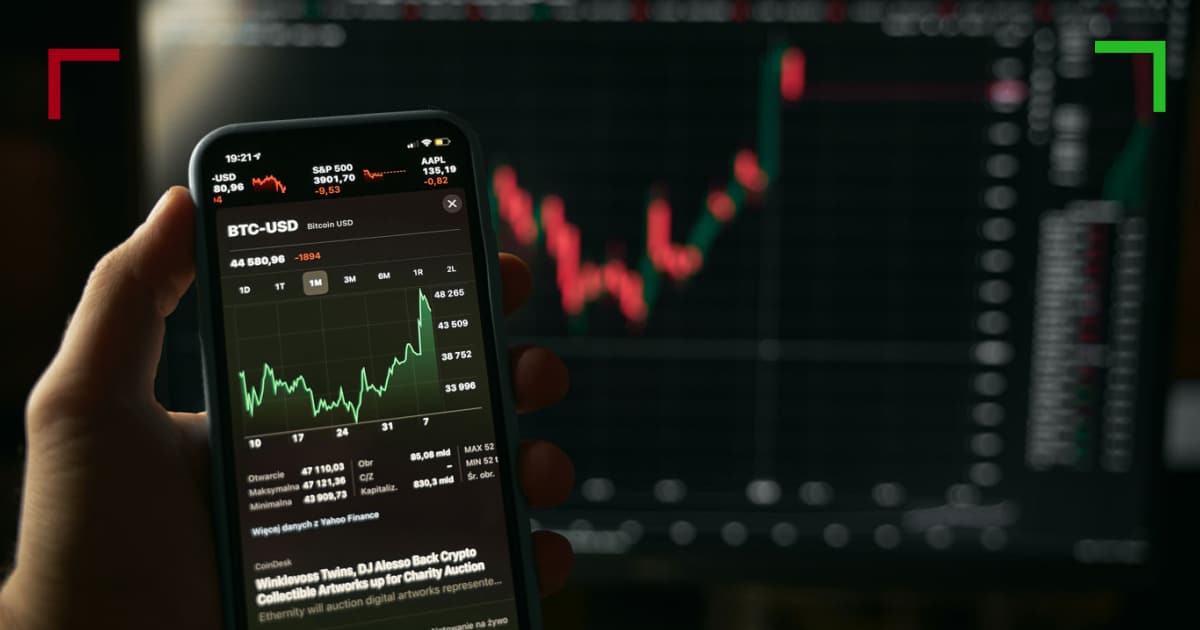
A Crypto Trading Trend Signal is an indicator that assists traders in determining the potential direction of a cryptocurrency’s price movement based on past price action. By analyzing historical data, these signals provide valuable information about whether to buy or sell a particular asset. Trend signals can be derived from various sources and methodologies, including technical indicators, chart patterns, and market sentiment.
Types of Trend Signals
There are several types of trend signals that traders utilize to guide their decisions:
- Moving Averages: These are one of the simplest and most commonly used indicators. They smooth out price data to create a trend-following indicator. Various types, such as Simple Moving Average (SMA) and Exponential Moving Average (EMA), can be applied to identify upward or downward trends.
- Relative Strength Index (RSI): The RSI is a momentum oscillator that measures the speed and change of price movements. It ranges from 0 to 100, and typically an RSI above 70 indicates an overbought condition, while below 30 indicates an oversold condition.
- MACD (Moving Average Convergence Divergence): MACD consists of two moving averages and can help identify potential buy and sell signals by examining the convergence and divergence of the moving averages.
- Fibonacci Retracement Levels: These levels are based on the Fibonacci sequence and can help traders identify potential support and resistance levels during pullbacks in a trend.
How to Interpret Trend Signals
Interpreting trend signals requires a blend of technical analysis skills and market knowledge. Here are some key points to consider:
- Look for Confirmations: A single signal should not be the sole basis for a trading decision. Confirm other indicators and trends to validate the signal.
- Be Mindful of the Market Context: Overall market sentiment can drastically affect the effectiveness of trend signals. Bullish market conditions may see different results than bearish ones.
- Timeframes Matter: Depending on your trading strategy, the timeframe used for generating signals can vary. Day traders might look for short-term signals, while long-term investors may focus on daily or weekly signals.
- Practice Risk Management: Utilizing stop-loss and take-profit levels is crucial when relying on trend signals to mitigate potential losses.
The Importance of Trend Signals in Trading Strategy
Incorporating trend signals into your trading strategy can provide several advantages:
- Informed Decision-Making: Trend signals give traders a clearer picture of market conditions, allowing for better decision-making.
- Reduced Emotions in Trading: Having a pre-defined strategy based on technical analysis can help remove emotional decision-making, increasing the chances of success.
- Identifying Entry and Exit Points: Trend signals can help pinpoint optimal times to enter or exit trades, maximizing potential profit margins.
Challenges and Limitations of Trend Signals
While trend signals are invaluable, there are challenges and limitations to consider:
- False Signals: Markets can be unpredictable, and trend signals may sometimes produce false readings that lead to losses.
- Lagging Indicators: Many trend indicators are based on past data, which can sometimes result in delayed signals, causing missed opportunities.
- Market Volatility: Cryptocurrencies are notoriously volatile. Rapid price changes can make trend signals less reliable, especially in short timeframes.
Conclusion
In the world of crypto trading, understanding and utilizing the Crypto Trading Trend Signal can be the difference between a successful and a failed trading experience. By effectively analyzing trend signals and integrating them into your trading strategy, you can enhance your decision-making process and ultimately improve your chances of profitability. As with any trading strategy, continuous learning, practice, and adaptation to changing market conditions are key to long-term success.